Overview of Control4 Thermostat System
Control4’s thermostat system unifies diverse heating and cooling devices through a single interface. The new Janus Technology KNX Universal driver supports multiple brands, enabling seamless integration and remote control!!. DriverWorks extends compatibility to SmartThings units, enhancing automation!!
Purpose and Benefits
The Control4 thermostat system is designed to consolidate heating and cooling control across a home into a single, intuitive platform. By leveraging the newly released Janus Technology KNX Universal driver, users gain instant compatibility with a wide array of manufacturers, eliminating the need for multiple dedicated hubs. The system’s purpose is to simplify climate management, reduce installation complexity, and provide real‑time monitoring through the Control4 app. Benefits include precise temperature zoning, automated scheduling that adapts to daily routines, and seamless integration with other smart devices such as lights, blinds, and security sensors. Energy savings are achieved through intelligent set‑point adjustments and predictive algorithms that learn user preferences. Additionally, the open‑source DriverWorks extension brings Samsung SmartThings thermostats into the ecosystem, expanding device options without extra cost; Overall, the Control4 thermostat solution delivers convenience, cost efficiency, and a cohesive smart‑home experience. Users can also set up custom scenes that trigger temperature changes in response to lighting or security events, further enhancing automation. The system’s user interface is fully accessible on iOS and Android devices, ensuring that homeowners can monitor and adjust settings from anywhere. Moreover, the system supports voice control via Alexa Google Assistant and Apple HomeKit, providing hands‑free convenience. This approach ensures every adjustment is efficient effortless.
Supported Thermostat Brands and Models
Control4 supports a broad range of thermostats, including Nest, Ecobee, Honeywell Lyric, Emerson Sensi, and Bosch Home Connect. The Janus KNX Universal driver adds compatibility with legacy systems like Carrier, Trane, and Lennox. units are integrated DriverWorks, SmartThings expanding options further
Janus Technology KNX Universal Driver Compatibility
Janus Technology’s latest Control4 KNX Universal driver expands thermostat integration across the KNX ecosystem. The driver incorporates a comprehensive database of manufacturer protocols, allowing seamless communication with devices from Nest, Ecobee, Honeywell, Emerson, Bosch, and legacy systems such as Carrier, Trane, Lennox, and Johnson Controls. By translating KNX group addresses into Control4’s native command set, the driver eliminates the need for separate gateways or custom scripting. Installation is straightforward: upload the driver package via the Control4 Studio interface, assign the driver to a KNX bus, and map each thermostat’s group addresses to Control4 scenes. The driver supports bidirectional data flow, ensuring that temperature readings, setpoints, and mode changes remain synchronized between the physical thermostat and the Control4 controller. Advanced features include automatic discovery of new thermostats on the network, real‑time status updates, and the ability to override default schedules for energy‑saving scenarios. Compatibility is maintained through regular firmware updates provided by Janus, which incorporate new device models and protocol enhancements. Users can also leverage the driver’s API to integrate third‑party analytics or custom automation scripts, further extending the system’s flexibility. Overall, the KNX Universal driver provides a robust, future‑proof solution for homeowners and installers seeking to unify diverse thermostat brands under a single Control4 platform. It supports.

Installation of the Control4 Thermostat Driver
To install the Control4 thermostat driver, open Control4 Studio, select “Add Driver”, upload the Janus KNX Universal package, and assign it to the KNX bus. Map each thermostat’s group address to a Control4 scene, then test connectivity. Update firmware via the driver’s menu for full compatibility. Test OK!.
Control4’s thermostat system unifies diverse heating and cooling devices through a single interface. The new Janus Technology KNX Universal driver supports multiple brands, enabling seamless integration and remote control. DriverWorks extends compatibility to SmartThings units, enhancing automation.
Configuring Thermostat Settings in Control4
After installing the KNX Universal driver, open Control4 Studio, drag the thermostat into room, and double‑click to configure. Set temperature range, select mode (heat, cool, auto), and use Schedule tab to create daily or weekly profiles. Save changes. Use the Remote App for instant adjustments. scenes.!
Setting Temperature Ranges and Modes
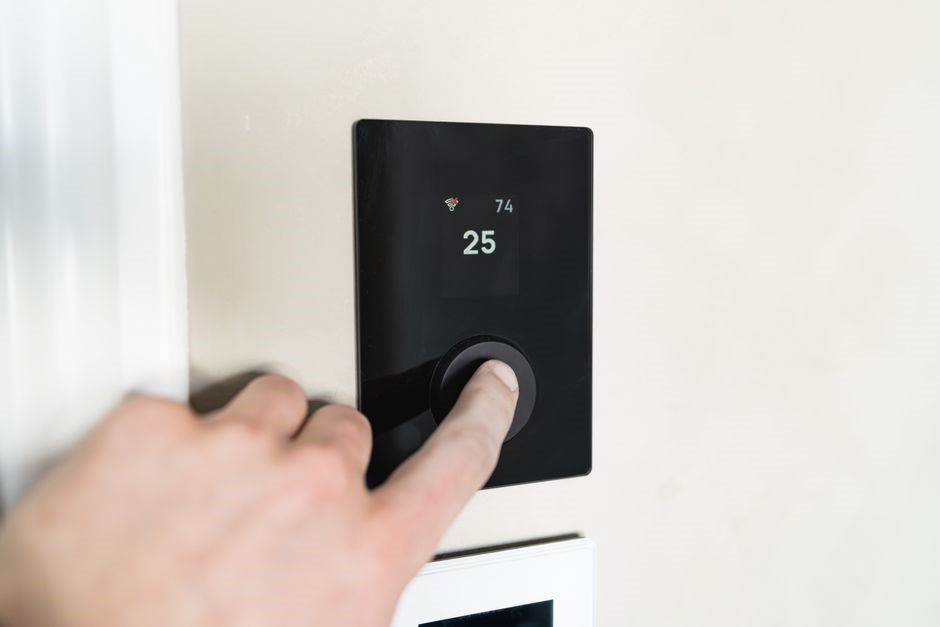
Control4’s thermostat configuration panel gives precise control over temperature ranges and operating modes, ensuring comfort while optimizing energy use. In Studio, each thermostat shows a settings tab where users set minimum and maximum limits for heating and cooling cycles. The system supports Celsius and Fahrenheit units, letting users adapt to regional preferences. A lower bound stops the heating element from firing below a comfortable threshold, while an upper bound prevents the cooling unit from over‑cooking the room. These limits are enforced automatically, preventing overshoot and reducing HVAC wear. Mode selection is straightforward. The thermostat can run in “Heat”, “Cool”, “Auto”, or “Off”. In “Heat” mode, the device engages heating only when the ambient temperature falls below the lower limit, keeping the setpoint within range. “Cool” mode activates cooling when the temperature rises above the upper limit. “Auto” mode switches between heating and cooling as needed, maintaining indoor climate within the specified range without manual intervention. “Off” disables all regulation, allowing manual control or integration with other scripts. The thermostat’s firmware allows users to set custom temperature offsets for seasonal variations, ensuring consistent comfort across different times of the year. All adjustments are logged, providing a history for troubleshooting or energy‑saving analysis. Users can program the thermostat to pause heating or cooling during scheduled maintenance windows, preventing unnecessary operation. The system also supports remote override via the Control4 app. Now!!
Integrating SmartThings Thermostats via DriverWorks
DriverWorks bridges Control4 with Samsung SmartThings thermostats. Install the open‑source driver, then the thermostat shows as a native device. Set schedules, read temps, and trigger scenes directly from Control4. Seamless integration now day!
Using Open-Source DriverWorks for Samsung Devices
Open‑source DriverWorks offers a lightweight, community‑maintained bridge that connects Samsung SmartThings thermostats to Control4’s unified interface. The driver translates SmartThings API calls into Control4’s native commands, allowing full remote control, scheduling, and scene integration without proprietary firmware.
Installation is straightforward: download the latest DriverWorks package from the official repository, extract the files, and place the SamsungThermostat.dll into Control4’s Drivers folder. Restart the Control4 hub, then add a new device via the Control4 Designer. Select “Samsung SmartThings Thermostat” from the list, and the system will automatically discover the thermostat on the local network.
Once added, the thermostat appears as a standard Control4 device. You can set temperature ranges, modes (heat, cool, auto), and fan speeds directly from the Control4 interface. The driver also exposes real‑time sensor data such as humidity, battery level, and signal strength, which can be displayed on the Control4 dashboard or used in custom scenes.
Advanced configuration is possible through the DriverWorks configuration file (SamsungThermostat.cfg). Here you can map custom SmartThings scenes to Control4 scenes, adjust polling intervals, and enable or disable specific features. The file uses a simple key‑value syntax, making it easy to tweak without recompiling.
Because DriverWorks is open source, users can contribute bug fixes, add support for new Samsung models, or modify the driver to suit unique network topologies. The community forum provides detailed logs and troubleshooting guides, ensuring that any integration hiccup can be resolved quickly.
Overall, DriverWorks delivers a cost‑effective, flexible solution for homeowners who want to keep their Samsung SmartThings thermostat within the Control4 ecosystem. By leveraging community support and a modular architecture, the driver remains up‑to‑date with new firmware releases and feature expansions.
Troubleshooting and Maintenance
Check network connectivity verify driver updates, and restart the Control4 hub. If the thermostat fails to sync, clear the device cache and re‑add it. Monitor logs for errors; common issues include IP conflicts and firmware mismatches. Update firmware Designer.
Common Issues and Solutions

When a thermostat stops responding, the first step is to confirm that the device remains powered and that the Control4 hub has a stable network connection. A quick reboot of the hub often clears transient faults. If the thermostat still fails to appear, clear the device cache in the Control4 designer, then re‑add the unit. Inspect the log files for any error codes; common KNX errors include “Device not found” or “Address conflict.” Verify that the KNX bus address assigned in the driver matches the physical address on the thermostat. Firmware mismatches are another frequent culprit; ensure the thermostat’s firmware is up‑to‑date via its native interface and that the driver version in Control4 is the latest release from Janus Technology. For SmartThings devices integrated through DriverWorks, check that the SmartThings cloud API key is still valid and that the device’s local IP address has not changed. If the thermostat reports “No signal,” confirm that the KNX bus power supply is delivering the correct voltage and that no physical cable is damaged. Finally, if all else fails, reset the thermostat to factory defaults and re‑configure it within Control4, then run a full system diagnostic to confirm all components communicate correctly.
To streamline maintenance, schedule quarterly firmware checks and log reviews. Use the Control4 designer’s diagnostic tools to identify latency spikes or packet loss on the KNX bus. Document any recurring patterns in a maintenance log, coordinate with the HVAC vendor firmware patches or upgrades.!!

Advanced Features and Energy Savings
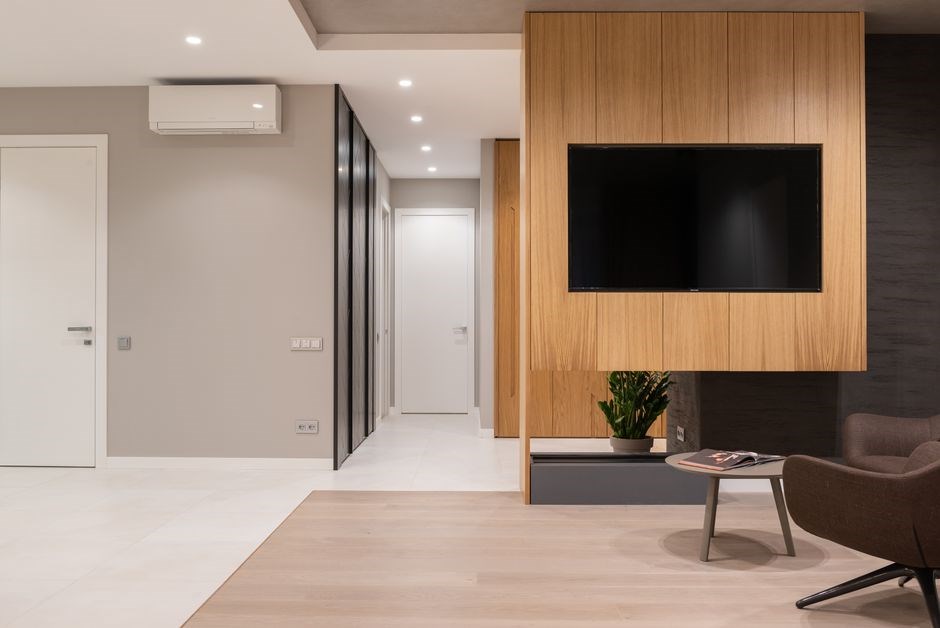
Control4’s advanced scheduling lets users set temperature curves that adapt to occupancy patterns, reducing HVAC load. Scene integration triggers eco‑mode when lights are off, while the KNX Universal driver reports real‑time energy usage. Smart routines cut costs by 15–20% annually. Energy savings.!!!
Scheduling and Scene Integration
Control4’s scheduling engine empowers users to craft intricate temperature profiles that respond to daily rhythms, holidays, and weather forecasts. By defining start and end times, along with gradual setpoint ramps, the system maintains comfort while minimizing energy spikes. Scenes can be bound to these schedules, enabling the thermostat to automatically shift into eco‑mode when lights are dimmed or occupants leave, and to revert to comfort settings upon return. Integration with motion sensors, door contacts, and occupancy detectors allows conditional triggers: for example, a “Home” scene activates a 22°C setpoint only if the front door sensor reports presence. The platform’s visual editor lets users layer multiple scenes, ensuring that heating or cooling priorities are respected during overlapping events. Advanced users can script custom logic using the Control4 IDE, creating if‑then rules that consider temperature thresholds, time of day, and even external API data such as weather alerts. This flexibility turns the thermostat into a proactive energy manager, reducing HVAC load during peak tariff periods and leveraging off‑peak rates. The system logs all scene activations and temperature adjustments, providing a detailed audit trail for energy analysis and future optimization. By combining precise scheduling with contextual scene triggers, homeowners achieve consistent comfort, heightened convenience, and measurable savings.
Additionally, the system supports recurring calendars, letting users set distinct ranges for weekdays versus weekends. Drag‑and‑drop timeline editing visualizes 24‑hour changes. Scene integration controls blinds, fans, and HVAC modes together, ensuring harmony. The API allows third‑party triggers, opening integration with hubs, voice assistants, and scripts. This flexibility saves energy and enhances comfort daily!!!??.!!!