Tom Bihn Shadow Guide: A Comprehensive Overview (Updated 2026)
The Tom Bihn Shadow Guide, released in 33L and 23L sizes, embodies a return to simpler backpack design, prioritizing spaciousness and streamlined functionality for everyday use.
The Tom Bihn Shadow Guide represents a fascinating intersection of minimalist design and practical utility within the backpack world. Released initially in 2021, and continually refined, the SG33 and SG23 models aim to recapture the essence of a classic rucksack – a simple, durable bag for carrying essentials. This approach stands in contrast to many modern backpacks overloaded with features and complex systems.
Pangolins with Packs notes that many people first encounter backpacks during their school years, and the Shadow Guide seems to echo a time when backpacks were less complicated; Tom Bihn themselves describe it as a pack “for those who appreciate simplicity and spaciousness.” The bag’s appeal lies in its unpretentious nature, offering a large, open main compartment without excessive pockets or dividers.

Reviewers at Pangolins with Packs received the Shadow Guide directly from Tom Bihn, emphasizing their commitment to honest reviews, regardless of brand affiliation. The initial impression is one of understated elegance and a focus on core functionality, making it a compelling option for users seeking a versatile and reliable everyday carry solution.
Historical Context of Backpacks & Tom Bihn
Historically, backpacks evolved from simple methods of carrying goods – initially, items were carried by hand or with basic leather straps. The modern backpack’s development coincided with the rise of formal education, becoming essential for students transporting books and supplies. This evolution reflects a need for efficient and comfortable load carriage.
Tom Bihn, as a company, emerged within this landscape, gaining a reputation for high-quality, thoughtfully designed bags. They distinguish themselves by focusing on durable materials, meticulous construction, and a commitment to American manufacturing. The Shadow Guide, in particular, appears to be a deliberate nod to the earlier, simpler forms of backpacks.
By stripping away unnecessary features, the Shadow Guide echoes the functionality of those original rucksacks. Pangolins with Packs highlights this connection, suggesting Tom Bihn intentionally harkens back to a time when backpacks were fundamentally “sacks with a couple of straps.” This historical perspective informs the bag’s design philosophy and appeals to users valuing practicality and longevity.
Design Philosophy: Simplicity and Spaciousness
The core design philosophy behind the Tom Bihn Shadow Guide centers on a deliberate reduction of complexity, prioritizing a spacious main compartment and functional minimalism. This approach contrasts with many modern backpacks overloaded with features and external attachments.
Tom Bihn themselves succinctly summarize this ethos: “This is a pack for those who appreciate simplicity and spaciousness.” The Shadow Guide aims to provide a versatile carry solution without unnecessary bulk or ornamentation. This focus allows for a clean aesthetic and maximizes usable internal volume.
Pangolins with Packs notes that it’s “hard to love this bag because there are so few features, but that is also why it’s hard to hate it.” This duality highlights the intentionality of the design – a bag that doesn’t try to be everything to everyone, but excels at providing a simple, reliable carrying experience.

Key Features & Specifications
The Shadow Guide boasts durable construction, available in 33L and 23L sizes, with a focus on internal volume and a minimalist external profile for versatile use.
Available Sizes: 33L vs. 23L
The Tom Bihn Shadow Guide is offered in two distinct sizes: the 33-liter (SG33) and the 23-liter (SG23) versions, catering to different carrying needs and preferences. The SG33 serves as a robust option for individuals requiring greater capacity for extended trips, daily commutes with substantial loads, or those who simply prefer ample space. It’s well-suited for overnight adventures or carrying larger items like camera gear or bulky clothing.
Conversely, the SG23 provides a more compact and streamlined profile, ideal for everyday carry, shorter excursions, or users who prioritize a lighter weight and smaller footprint; It’s an excellent choice for students, urban commuters, or anyone seeking a versatile pack without excessive bulk. Despite its smaller size, the SG23 maintains a surprisingly spacious interior, thanks to the bag’s thoughtful design and efficient use of space. Ultimately, the choice between the two depends on individual carrying habits and the typical volume of items transported.
Materials and Construction Quality
Tom Bihn is renowned for its commitment to high-quality materials and meticulous construction, and the Shadow Guide is no exception. The pack utilizes a durable, weather-resistant fabric, typically a proprietary material like Dimension Polyant X-Pac, known for its strength-to-weight ratio and inherent water resistance. This ensures the bag can withstand daily wear and tear, as well as light precipitation.
Construction involves robust stitching and reinforced stress points, contributing to the Shadow Guide’s longevity. Tom Bihn employs a manufacturing process focused on durability, with a strong emphasis on quality control. The materials are carefully selected to balance weight, resilience, and aesthetic appeal. This dedication to craftsmanship results in a backpack built to endure years of use, making it a worthwhile investment for discerning users who value lasting quality over fleeting trends.
Weight and Dimensions – Detailed Breakdown
The Tom Bihn Shadow Guide comes in two sizes, impacting both weight and overall dimensions. The 33L version typically weighs around 2.8 lbs (1270g), while the smaller 23L model comes in at approximately 2.4 lbs (1089g). These weights are competitive for backpacks of similar capacity constructed with comparable materials.
Dimensionally, the SG33 measures roughly 20” x 12” x 8” (50.8cm x 30.5cm x 20.3cm), offering substantial packing space. The SG23 is more compact, measuring around 18.5” x 11” x 7” (47cm x 28cm x 17.8cm). These dimensions are designed to meet carry-on size restrictions for most airlines, enhancing travel versatility. The relatively lightweight construction, combined with thoughtful dimensions, makes the Shadow Guide a practical choice for various activities.

Usability and Performance
The Shadow Guide excels in straightforward functionality, offering easy access and comfortable carrying, though its minimalist design prioritizes simplicity over abundant features.
Carrying Comfort and Ergonomics
The Shadow Guide’s carrying experience is notably comfortable, despite its minimalist approach to suspension. The shoulder straps are effectively padded, distributing weight reasonably well, even when the 33L version is fully loaded. While not as extensively padded or adjustable as some high-end backpacking packs, they are sufficient for daily commutes and moderate loads.
The back panel, constructed with a single sheet of closed-cell foam, provides a degree of cushioning and ventilation, though it may not be ideal for hot weather or prolonged periods of heavy sweating. Ergonomically, the pack sits relatively close to the back, which enhances stability and prevents excessive swaying.
However, the lack of a substantial hip belt on either size means that heavier loads are best carried with a conscious effort to maintain good posture. Overall, the Shadow Guide prioritizes a streamlined feel over maximum load-bearing comfort, making it best suited for users who don’t routinely carry extremely heavy items.
Organization and Accessibility
The Shadow Guide’s internal organization is deliberately sparse, reflecting its design philosophy of simplicity and spaciousness. The main compartment is a large, open cavity, offering ample room for clothing, books, or other bulky items. There are no internal dividers or pockets, encouraging a minimalist packing strategy. This simplicity appeals to users who prefer to use packing cubes or other organizational tools.
Accessibility is straightforward; the wide-mouth opening, secured by a robust closure system, allows for easy access to the contents. A small zippered pocket is located inside the top lid, providing a secure location for small essentials like keys or a wallet.
External attachment points are limited, consisting primarily of lash points for securing items to the exterior of the pack. While this lack of extensive organization may not suit everyone, it contributes to the Shadow Guide’s clean aesthetic and lightweight design.
Weather Resistance and Durability
The Tom Bihn Shadow Guide is constructed with high-quality materials, prioritizing both weather resistance and long-term durability. The primary fabric is a robust, water-resistant material designed to withstand everyday wear and tear, and light precipitation. While not fully waterproof, the fabric effectively sheds light rain and resists abrasion.
The pack’s construction features reinforced stitching and durable zippers, enhancing its overall resilience. Tom Bihn is renowned for its meticulous craftsmanship, and the Shadow Guide is no exception. The materials and build quality suggest a product designed to endure frequent use and challenging conditions.
However, it’s important to note that the Shadow Guide lacks a dedicated rain cover. For extended exposure to heavy rain, a separate rain cover may be necessary to fully protect the contents. Despite this, the inherent water resistance and durable construction contribute to the pack’s reliability.

Detailed Examination of Specific Components
The Shadow Guide’s components, including shoulder straps, closure systems, and attachment points, demonstrate Tom Bihn’s focus on functional simplicity and robust construction.
The Shoulder Straps and Back Panel
The shoulder straps on the Tom Bihn Shadow Guide are notably minimalist, featuring a straight profile and moderate padding. This design choice reflects the bag’s overall philosophy of simplicity, foregoing extensive contouring or load-lifter straps found on more technical packs. While some users might desire more substantial cushioning for heavier loads, the straps are generally comfortable for everyday carry and moderate weights.
The back panel is similarly understated, constructed with a single sheet of closed-cell foam. This provides a degree of cushioning and breathability, but it’s not a highly ventilated system. The lack of extensive padding contributes to the bag’s lightweight nature and streamlined profile.
The strap attachment is robust, utilizing durable webbing and reinforced stitching. The overall feel is one of quality and longevity, consistent with Tom Bihn’s reputation for craftsmanship. The simplicity of the shoulder straps and back panel contributes to the Shadow Guide’s clean aesthetic and focus on core functionality.
The Closure System and Top Lid
The Tom Bihn Shadow Guide employs a unique and secure closure system centered around a top lid design. Unlike traditional drawstring or zippered closures, the Shadow Guide utilizes a robust, weather-resistant flap that buckles securely across the top of the main compartment. This system provides excellent protection from the elements and allows for variable packing capacity.
The top lid itself is generously sized and features a small zippered pocket on the underside, ideal for storing frequently accessed items like keys or a phone. The buckle hardware is high-quality and feels durable, contributing to the overall sense of reliability.
The closure system’s simplicity is a key aspect of the Shadow Guide’s design. It’s quick and easy to operate, even with gloves on, and provides a satisfyingly secure feel. This design prioritizes functionality and durability over complex features, aligning with Tom Bihn’s design ethos.
External Attachment Points & Lash Points
The Tom Bihn Shadow Guide maintains a minimalist aesthetic, extending to its external attachment options. While not overloaded with features, it provides strategic points for securing additional gear when needed. Two prominent, reinforced lash points are located on the lower front of the pack, allowing for the attachment of items like a tripod or rolled-up sleeping pad.
These lash points are constructed from durable webbing and can accommodate a variety of straps or cords. Additionally, the pack features Hypalon loops on the sides, offering further attachment possibilities. These loops are subtly integrated into the design, maintaining the clean lines of the Shadow Guide.
The limited number of external attachment points reflects the bag’s focus on internal organization and streamlined carry. It’s designed for those who prefer to keep their gear contained rather than strapped to the outside, prioritizing a clean and uncluttered look.

Comparison with Competitor Backpacks
Compared to rivals, the Shadow Guide distinguishes itself through its simplicity, spaciousness, and durable construction, offering a unique blend of form and function for users.
Shadow Guide vs. Other Tom Bihn Models
Within the Tom Bihn lineup, the Shadow Guide occupies a distinct niche. Unlike the more feature-rich Synapse 25, which prioritizes organization with numerous pockets and compartments, the Shadow Guide embraces minimalism. It’s less technical than the Circuit 16, designed for specific electronic carry, and lacks the structured frame of the larger, hiking-oriented backpacks like the Epoch.

Compared to the classic Tom Bihn Daypack, the Shadow Guide offers a larger capacity and a more modern aesthetic. While the Daypack is known for its durability and timeless design, the Shadow Guide provides a more streamlined profile and improved carrying comfort for extended use. The key difference lies in the intended use case: the Shadow Guide is geared towards everyday carry and light travel, while other models cater to more specialized needs.
Essentially, the Shadow Guide represents a deliberate step back from complexity, offering a spacious and durable bag for those who value simplicity above all else within the Tom Bihn ecosystem.
Shadow Guide vs. Similar Backpacks in the Market
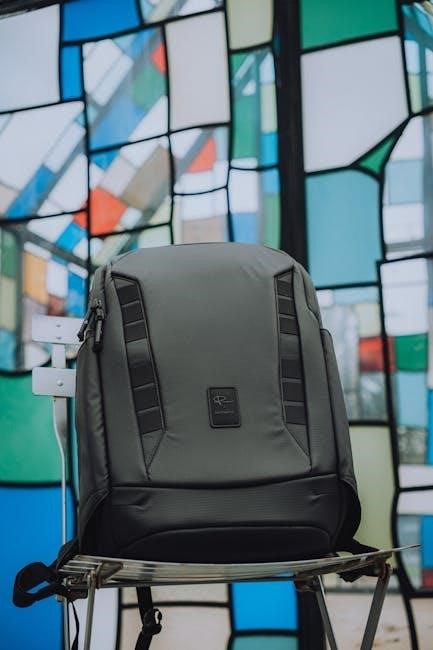
Compared to mainstream backpack brands, the Tom Bihn Shadow Guide distinguishes itself through its build quality and commitment to domestic manufacturing. Many competitors, like Osprey or Gregory, offer similar-sized packs with more features – dedicated laptop sleeves, extensive pocketing systems, and integrated rain covers – at comparable price points. However, these often compromise on material durability and ethical production.
Brands like Aer or Peak Design offer minimalist backpacks with a focus on aesthetics and organization, but typically utilize more synthetic materials. The Shadow Guide’s use of durable fabrics and robust construction sets it apart. It competes with brands like Mystery Ranch, known for their ruggedness, but at a significantly lower price point.
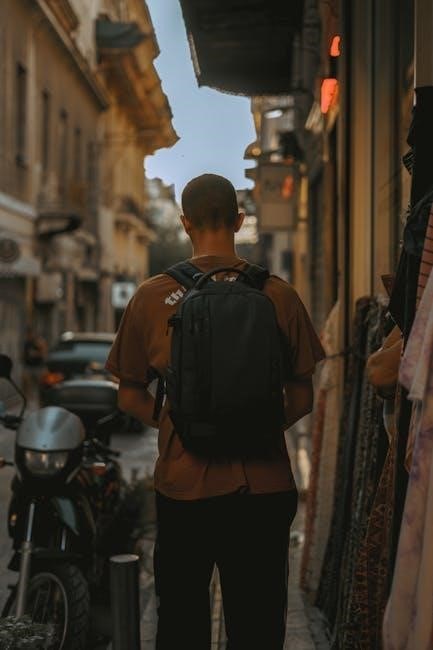
Ultimately, the Shadow Guide carves a niche for itself by offering a uniquely balanced combination of simplicity, durability, and thoughtful design, appealing to users seeking a long-lasting, domestically-made pack.

Pros and Cons – A Balanced Assessment
The Tom Bihn Shadow Guide excels in its simplicity and durability, offering a spacious interior and robust construction that promises longevity. Its minimalist design appeals to users who prioritize functionality over excessive features, and the domestically-made quality is a significant draw. However, this simplicity is also its primary drawback; the lack of dedicated organization pockets can be frustrating for some.
The absence of a dedicated laptop sleeve necessitates a separate case, and the reliance on a single main compartment requires careful packing. While the weather resistance is commendable, a dedicated rain cover isn’t included.
Overall, the Shadow Guide is ideal for those valuing a durable, spacious, and unpretentious pack, but may not suit users needing extensive organization or readily accessible compartments.