Understanding Nail Biting: A Comprehensive Guide
Nail biting, or onychophagia, is a prevalent habit, often stemming from psychological factors like stress and anxiety. This guide explores triggers, practical strategies, and long-term solutions for overcoming this common issue.
What is Nail Biting (Onychophagia)?
Nail biting, clinically known as onychophagia, is a repetitive behavior characterized by compulsively biting one’s fingernails or toenails. It’s more than just a bad habit; it’s often classified as a body-focused repetitive behavior (BFRB), alongside skin picking and hair pulling. This means the urge to bite isn’t simply a conscious decision, but a deeply ingrained response to internal stimuli.
The act itself can range from minor nibbling to severely damaging the nail bed and surrounding skin. Individuals may bite nails to the quick, causing pain, bleeding, and increasing susceptibility to infections. It can also lead to dental problems, as constant chewing can wear down teeth and alter bite alignment. While common, especially in childhood, onychophagia can persist into adulthood and significantly impact a person’s quality of life, leading to feelings of shame and social anxiety.
Understanding it as a potential symptom of underlying emotional distress is crucial for effective intervention.
The Prevalence of Nail Biting: How Common Is It?
Nail biting is remarkably common, affecting a significant portion of the population. Studies suggest that approximately 20-30% of adults and up to 45% of adolescents engage in this behavior. Interestingly, it frequently begins during childhood or adolescence, with roughly half of all children experiencing nail biting at some point. While many outgrow the habit, a substantial number continue into adulthood.
The prevalence appears to be relatively consistent across genders, though some research indicates slightly higher rates in females. Factors like stress, anxiety, and boredom contribute to its widespread occurrence. It’s often observed to be more common during periods of heightened stress, such as exams or challenging life events.
Despite its commonality, nail biting is often underestimated as a significant behavioral issue, impacting both physical and psychological well-being. It’s a habit that transcends age and demographics.
The Psychological Roots of Nail Biting
Nail biting is deeply intertwined with psychological factors, often serving as a coping mechanism for underlying emotional distress. Primarily, stress and anxiety are significant drivers, with the repetitive action providing a temporary sense of control or relief. It can be a subconscious response to feeling overwhelmed, nervous, or frustrated.
Beyond anxiety, nail biting can also be linked to boredom, frustration, and even perfectionism. For some, it’s a habitual behavior developed over time, becoming an automatic response to certain situations or feelings. It may also be associated with other mental health conditions, such as obsessive-compulsive disorder (OCD).
The act of biting can release endorphins, creating a temporary calming effect, which reinforces the behavior. Understanding these psychological roots is crucial for developing effective strategies to break the habit.
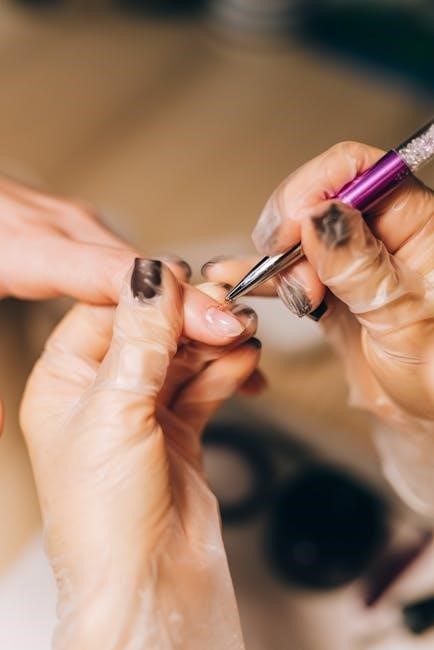
Identifying Your Personal Triggers
Pinpointing what sparks your nail biting is key. Common triggers include stress, anxiety, boredom, and specific emotional states; recognizing these patterns empowers you to address them.
Stress and Anxiety as Key Triggers
Stress and anxiety are frequently at the root of nail biting, serving as significant triggers for the habit. When feeling overwhelmed or anxious, individuals often unconsciously turn to nail biting as a coping mechanism – a way to self-soothe or release pent-up tension. This behavior can become a deeply ingrained response to stressful situations, creating a cycle that’s difficult to break.
The act of biting can provide a temporary distraction from worrisome thoughts, offering a fleeting sense of control. However, this relief is short-lived and ultimately counterproductive. Recognizing the link between emotional distress and nail biting is the first step towards addressing the issue.
Strategies like deep breathing exercises, meditation, or engaging in physical activity can offer healthier alternatives for managing stress and anxiety, reducing the urge to bite. Understanding why you bite when stressed allows for targeted intervention and the development of more constructive coping strategies.
Boredom and Habitual Biting
Beyond emotional triggers, boredom often fuels nail biting, transforming it into a mindless habit. When unoccupied or lacking mental stimulation, hands may instinctively resort to biting as a form of self-stimulation. This is particularly common during passive activities like watching television, reading, or commuting. Over time, the behavior becomes automatic, occurring without conscious thought or awareness of underlying emotions.
Habitual biting isn’t necessarily linked to stress; it simply becomes a deeply ingrained pattern. Breaking this cycle requires conscious effort to interrupt the automatic response. Keeping hands busy with alternative activities is crucial.
Fidget toys, stress balls, or even simple tasks like doodling can provide a physical outlet and divert attention from the urge to bite. Recognizing moments of boredom as potential triggers allows for proactive intervention, preventing the habit from taking hold. Consciously redirecting your hands is key to breaking the cycle.
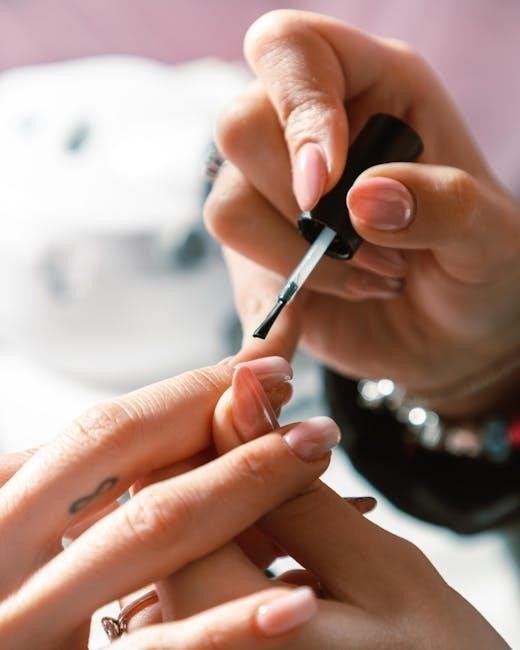
Emotional States and Nail Biting
Nail biting frequently serves as a coping mechanism for a range of emotional states, extending beyond just stress and anxiety. Feelings of nervousness, frustration, loneliness, or even excitement can trigger the behavior. It’s often an unconscious attempt to self-soothe or regulate overwhelming emotions. The act of biting can provide a temporary distraction from unpleasant feelings, offering a sense of control in stressful situations.
However, this relief is short-lived and ultimately reinforces the habit. Understanding the specific emotions that precede nail biting is vital for developing effective strategies.
Identifying these emotional triggers allows individuals to address the underlying feelings directly, rather than resorting to the destructive habit. Techniques like mindfulness and relaxation can help manage emotional intensity and reduce the urge to bite. Recognizing the emotional connection is a crucial step towards lasting change.

Practical Strategies to Stop Nail Biting
Immediate steps include keeping nails short, using bitter-tasting polish, and creating physical barriers like gloves or band-aids. Occupying hands with fidget toys also proves beneficial.
Keeping Nails Short and Trimmed
One of the most straightforward and immediately effective strategies to curb nail biting is consistently maintaining short nails. The fundamental principle here is simple: there’s significantly less to bite when the nails are kept meticulously trimmed. This reduces the physical temptation and makes it considerably harder to engage in the habit.
Regular trimming doesn’t just mean a quick snip when you notice they’ve grown out. It requires a proactive approach, incorporating nail care into your routine – perhaps weekly or bi-weekly, depending on growth rate. Filing down any rough edges is also crucial, as these can inadvertently trigger the urge to bite, attempting to smooth them out.
Think of it as minimizing the available “target.” A shorter nail offers less satisfaction when bitten, potentially diminishing the reinforcing cycle of the habit. It’s a foundational step, often recommended alongside other techniques, and provides an immediate, tangible way to take control.
Bitter-Tasting Nail Polish as a Deterrent
A widely recommended and readily available solution for nail biting is the application of specially formulated, bitter-tasting nail polish. These polishes contain a harmless, yet incredibly unpleasant, flavor designed to discourage the habit through a negative sensory experience. The moment you bring your fingers to your mouth, the taste serves as an immediate reminder and deterrent, interrupting the biting behavior.
It’s important to note that the effectiveness can vary from person to person; some individuals are more sensitive to the taste than others. Consistent reapplication is also key, as the bitter coating wears off with washing and general wear. Several brands are available, often marketed specifically for breaking nail-biting habits.
While not a permanent cure, this method provides a powerful, immediate consequence to the act of biting, helping to break the subconscious association and create a conscious aversion. It’s a relatively low-cost and accessible option to explore.
Creating Physical Barriers: Gloves or Band-Aids
A straightforward, yet surprisingly effective, tactic in curbing nail biting involves creating physical barriers to prevent access to the nails. This can be achieved through the consistent use of gloves or band-aids. Wearing gloves, even for short periods, makes it physically impossible to bite, disrupting the automatic behavior and forcing conscious awareness.
Similarly, applying band-aids to individual nails, particularly those most frequently targeted, offers a localized barrier. This method is especially useful for identifying specific triggers – noticing which nails consistently have band-aids can highlight patterns related to stress or boredom.
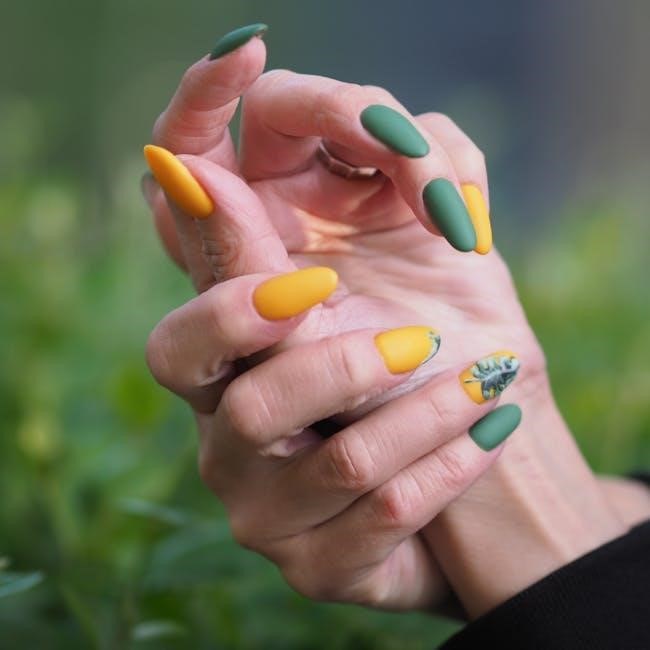
While potentially inconvenient, these barriers provide a tangible reminder and a physical impediment, interrupting the habit loop. They are a practical solution, particularly during times of heightened anxiety or when consciously working to break the cycle.
Keeping Hands Busy: Fidget Toys & Activities
Redirecting the urge to bite is crucial, and keeping your hands occupied offers a powerful distraction. Fidget toys – stress balls, spinners, cubes, or even simple putty – provide a tactile outlet for nervous energy, satisfying the habitual need for hand movement without the damaging consequences of nail biting.
Beyond dedicated fidget tools, engaging in activities that require hand use can be equally effective. Consider knitting, drawing, playing a musical instrument, or even simply doodling. These activities demand focus and occupy the hands, leaving less opportunity for unconscious biting.
The key is to find alternatives that are readily available and enjoyable, making them a preferred substitute for the habit. Consciously choosing an activity when feeling the urge to bite can break the cycle and promote healthier coping mechanisms.
Long-Term Solutions & Behavioral Techniques
Addressing the root causes through stress management, mindfulness, and habit reversal training offers lasting change. These techniques promote self-awareness and healthier coping strategies.
Identifying and Managing Stress
Stress is a significant catalyst for nail biting, creating a vicious cycle where anxiety fuels the habit, and the act itself may temporarily alleviate tension. Recognizing personal stressors is the first crucial step towards breaking free. This involves self-reflection – pinpointing situations, people, or thoughts that trigger feelings of unease or overwhelm.
Once identified, proactive stress management techniques become invaluable. These aren’t about eliminating stress entirely, but rather developing healthy coping mechanisms. Consider incorporating regular exercise, as physical activity releases endorphins, natural mood boosters. Deep breathing exercises and meditation can calm the nervous system, reducing anxiety in the moment.
Furthermore, establishing healthy boundaries and prioritizing self-care are essential. Learning to say “no” to commitments that overextend you, and dedicating time to activities you enjoy, can significantly reduce stress levels. Remember, managing stress isn’t a one-time fix; it’s an ongoing process of self-awareness and consistent effort.
Mindfulness and Relaxation Techniques
Cultivating mindfulness is a powerful tool in combating nail biting, as it brings awareness to the present moment, interrupting the automatic habit. This involves paying attention to your thoughts, feelings, and bodily sensations without judgment. When you feel the urge to bite, acknowledge it without acting on it – simply observe the sensation.
Relaxation techniques complement mindfulness by actively reducing physiological arousal. Progressive muscle relaxation, for example, involves systematically tensing and releasing different muscle groups, promoting a sense of calm. Deep diaphragmatic breathing – slow, deliberate breaths from the belly – can also lower heart rate and blood pressure, easing anxiety.
Guided imagery, where you visualize peaceful scenes, offers another avenue for relaxation. Regularly practicing these techniques, even when not actively experiencing the urge to bite, builds resilience and equips you with readily available coping mechanisms. Consistent practice is key to integrating these skills into your daily routine.
Habit Reversal Training
Habit Reversal Training (HRT) is a structured behavioral technique specifically designed to address repetitive behaviors like nail biting. It involves four key components: awareness training, a competing response, social support, and motivation. Awareness training focuses on identifying the triggers and situations where nail biting occurs, enhancing self-monitoring.
The competing response is a behavior that is physically incompatible with nail biting. This could involve clenching fists, sitting on your hands, or rubbing lotion into your cuticles. The goal is to redirect the urge into a more constructive action. Social support, from friends or family, provides encouragement and accountability.
Finally, motivation reinforces commitment to the process. HRT isn’t a quick fix; it requires consistent practice and dedication. A therapist trained in HRT can provide personalized guidance and support, maximizing its effectiveness. It’s about replacing the unwanted habit with a healthier alternative.
Professional Help & Support
Seeking therapy, particularly Cognitive Behavioral Therapy (CBT), can provide valuable tools for managing underlying anxieties. Support from loved ones is also crucial for lasting change.
When to Consider Therapy
Determining if therapy is necessary involves assessing the impact nail biting has on your daily life. If the habit causes significant distress, interferes with social interactions, or leads to physical damage—like infections or severely damaged nails—professional help should be considered.
Often, nail biting is a coping mechanism for deeper psychological issues. If you’ve attempted self-help strategies without success, or suspect underlying anxiety or stress is driving the behavior, a therapist can offer tailored support. They can help you uncover the root causes of your nail biting and develop healthier coping strategies.
Furthermore, if nail biting is accompanied by other compulsive behaviors or mental health concerns, seeking professional guidance is particularly important. A qualified therapist can provide a comprehensive assessment and create a treatment plan to address all aspects of your well-being, fostering lasting positive change.
The Role of Cognitive Behavioral Therapy (CBT)
Cognitive Behavioral Therapy (CBT) is a highly effective therapeutic approach for addressing nail biting. CBT focuses on identifying and modifying the thought patterns and behaviors that contribute to the habit. It’s a structured, goal-oriented therapy that equips individuals with practical skills to manage urges and develop alternative coping mechanisms.
A key component of CBT for nail biting is habit reversal training. This involves becoming aware of the triggers that initiate biting, recognizing early warning signs, and then substituting the biting behavior with a competing response – a behavior that is physically incompatible with nail biting, like clenching fists or sitting on your hands.
CBT also addresses the underlying cognitive distortions that perpetuate the habit, such as negative self-talk or beliefs about needing to bite to relieve stress. By challenging these thoughts and learning more adaptive ways of thinking, individuals can break the cycle of nail biting and achieve lasting change.
Seeking Support from Friends and Family
Enlisting the support of friends and family can be a crucial element in successfully overcoming nail biting. Sharing your struggles and goals with loved ones creates a supportive network, providing encouragement and accountability throughout your journey. Open communication allows them to understand your challenges and offer assistance when you’re feeling vulnerable to triggers.
Loved ones can help by gently reminding you when you’re unconsciously biting, offering distractions when you appear stressed or bored, and celebrating your progress, no matter how small. Their positive reinforcement can significantly boost your motivation and self-confidence.
However, it’s important to establish clear boundaries and communicate your needs effectively. Requesting understanding and patience, rather than criticism, will foster a more supportive environment; Remember, their role is to encourage and assist, not to police your behavior. A strong support system can make all the difference.
Nail Care & Repair After Nail Biting
Repairing damage is key. Focus on cuticle care, strengthening weakened nails, and consider regular manicures as positive reinforcement for healthier nail growth and habits.
Repairing Damaged Cuticles
Nail biting frequently leads to damaged, inflamed cuticles, creating openings for infection. Consistent care is crucial for healing and preventing further issues. Begin by gently pushing back cuticles after a shower or warm water soak – avoid cutting them, as this increases infection risk.
Hydration is paramount. Apply a rich cuticle oil, ideally several times daily, containing ingredients like jojoba oil, vitamin E, or almond oil. These penetrate deeply, nourishing and softening the skin. Consider using a cuticle balm or cream with similar beneficial ingredients, especially before bed, to allow for overnight repair.
If inflammation or signs of infection (redness, swelling, pus) are present, a topical antibiotic ointment may be necessary. Protect damaged cuticles with a bandage to prevent further irritation and biting. Consistent, gentle care will promote healing and restore the health of your cuticles, contributing to stronger, healthier nails overall.
Strengthening Weakened Nails
Chronic nail biting significantly weakens nails, making them brittle, prone to breakage, and slow to grow. Rebuilding nail strength requires a multi-faceted approach focused on nourishment and protection. Begin by incorporating a nail strengthener into your routine, choosing formulas containing ingredients like keratin, calcium, or biotin.
These components help reinforce the nail structure from within. Regular manicures, while seemingly counterintuitive, can provide a protective layer and encourage healthy growth. Avoid harsh chemicals like acetone-based polish removers, opting for gentler, acetone-free alternatives.
Diet plays a vital role; ensure adequate intake of protein, vitamins (especially B vitamins), and minerals. Consider a biotin supplement after consulting with a healthcare professional. Finally, consistently applying a cuticle oil and hand cream will keep nails and surrounding skin hydrated, promoting flexibility and reducing breakage. Patience is key, as rebuilding strength takes time.
Regular Manicures for Encouragement
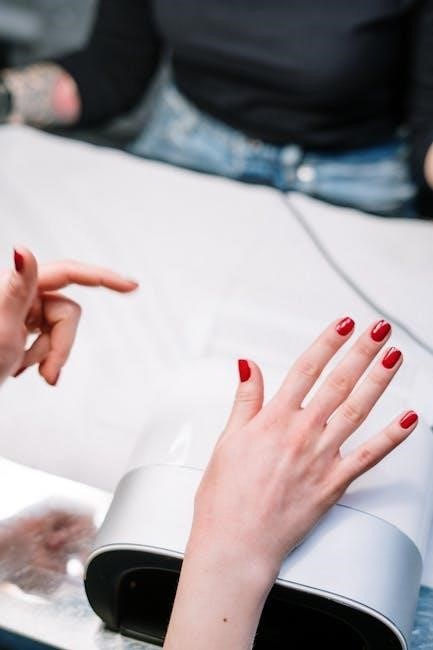
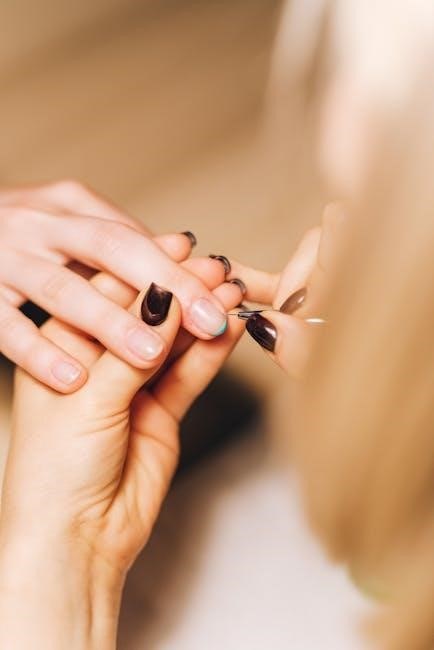
Scheduled manicures can be a powerful motivational tool in breaking the nail-biting habit. The investment in time and money creates a sense of value, making you more conscious of protecting your nail health. A professionally applied polish, particularly a durable gel polish, provides a physical barrier and a visually appealing incentive to resist biting.
The process itself – filing, shaping, and polishing – offers a relaxing and self-care experience, potentially reducing stress, a common trigger for nail biting. Choose colors you love, and view the manicure as a reward for progress.
Even simple, at-home manicures can be effective. Focus on maintaining neat, trimmed nails and applying a strengthening polish. The consistent upkeep reinforces positive behavior and provides a tangible reminder of your commitment to stopping. Remember, the goal isn’t just aesthetics, but a psychological boost towards lasting change.